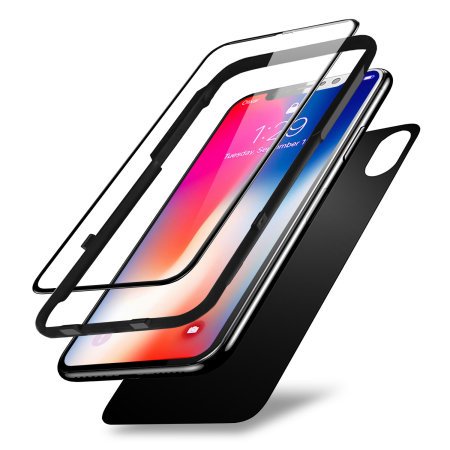
Looking for a reliable screen guide to enhance your viewing experience? Look no further. Whether you’re a movie buff, a gamer, or just someone who enjoys binge-watching your favorite shows, having the right screen guide can make a world of difference. With so many options available in the market today, it’s essential to find the perfect one that suits your needs and preferences. Let’s dive into the world of screen guides and discover the best one for you.

Ultimate Screen Guide: Everything You Need to Know
Welcome, young tech enthusiasts, to the ultimate guide to screens! Whether you’re watching your favorite show on TV, playing video games on a console, or learning online, screens play a crucial role in our daily lives. In this comprehensive article, we will delve deep into the world of screens, exploring different types, sizes, resolutions, and more. So, grab your snacks and get ready to learn all about screens!
What Are Screens?
Screens, also known as displays, are electronic devices that show images, videos, text, and graphics. They come in various sizes and types, ranging from small screens on smartphones to large screens on TVs and monitors. Screens are essential for watching movies, playing games, doing schoolwork, and staying connected with friends and family.
The Different Types of Screens
There are several types of screens available in the market, each with its unique features and advantages. Some common types of screens include:
1. LED Screens
LED screens use light-emitting diodes to display images. They are energy-efficient and offer vibrant colors and sharp contrast. LED screens are commonly found in TVs, computer monitors, and outdoor displays.
2. LCD Screens
LCD screens, or Liquid Crystal Displays, use liquid crystals to create images. They are known for their thin profile and are commonly used in smartphones, tablets, and digital cameras.
3. OLED Screens
OLED screens, or Organic Light-Emitting Diodes, are known for their superior picture quality and high contrast ratios. They are commonly found in high-end smartphones and TVs.
Choosing the Right Screen Size
When it comes to screens, size matters! The size of the screen you choose depends on how you plan to use it. Here are some things to consider when selecting the right screen size:
1. Viewing Distance
The viewing distance plays a crucial role in determining the ideal screen size. For example, if you are sitting closer to the screen, a smaller size may be more suitable to prevent eye strain.
2. Room Size
The size of the room where the screen will be placed also influences your decision. In a small room, a large screen may overpower the space, while a small screen in a large room may not deliver an immersive experience.
3. Usage
Consider how you will be using the screen. For gaming or watching movies, a larger screen may provide a more engaging experience, while for basic tasks like browsing the internet, a smaller screen may suffice.
Understanding Screen Resolutions
Screen resolution refers to the number of pixels that make up the display. The higher the resolution, the sharper and more detailed the images will appear. Here are some common screen resolutions you may come across:
1. HD (High Definition)
HD resolution, commonly known as 720p, offers a resolution of 1280×720 pixels. It is suitable for watching videos and basic gaming.
2. Full HD
Full HD resolution, also known as 1080p, provides a resolution of 1920×1080 pixels. It is ideal for watching Blu-ray movies and playing high-definition games.
3. 4K Ultra HD
4K Ultra HD resolution offers a resolution of 3840×2160 pixels, delivering incredibly sharp images and videos. It is perfect for watching 4K content and gaming on high-end consoles.
Protecting Your Eyes While Using Screens
Spending long hours in front of screens can strain your eyes and lead to issues like eye fatigue and headaches. Here are some tips to protect your eyes while using screens:
1. Take Breaks
Follow the 20-20-20 rule: every 20 minutes, look at something 20 feet away for at least 20 seconds. This helps reduce eye strain and keeps your eyes refreshed.
2. Adjust Screen Brightness
Ensure the screen brightness is not too high or too low. Adjust it to a comfortable level that is easy on your eyes, especially in dimly lit rooms.
3. Use Blue Light Filters
Blue light filters, available in many devices, help reduce the amount of blue light emitted by screens. Blue light can disrupt your sleep cycle, so using a filter can protect your eyes and improve your sleep quality.
Exploring Screen Technologies of the Future
The world of screens is constantly evolving, with new technologies emerging to enhance our viewing experience. Here are some futuristic screen technologies to keep an eye on:
1. Foldable Screens
Foldable screens allow devices to fold or roll, offering flexibility and portability. They are already being used in smartphones and are expected to revolutionize the way we use screens in the future.
2. Transparent Screens
Transparent screens enable see-through displays, opening up possibilities for augmented reality and smart glass applications. Imagine looking through your window and seeing digital information overlaid on the real world!
3. Holographic Displays
Holographic displays create 3D images that appear to float in mid-air, providing a truly immersive viewing experience. While still in development, holographic displays have the potential to redefine entertainment and communication.
As we wrap up our exploration of screens, we hope you’ve gained a newfound appreciation for these incredible devices. From choosing the right screen size to protecting your eyes and glimpsing into the future of screen technologies, there’s so much to learn and explore. Remember to enjoy your screen time responsibly and make the most of this exciting digital world!
Stay curious, stay tech-savvy, and may your screens always be crystal clear!
How to REALLY Install ANY Screen Protector! (GUIDE STICKER TRICK)
Frequently Asked Questions
What is a screen guide?
A screen guide is a tool or manual that helps users navigate and understand the features and functions of a screen. It provides instructions on how to adjust settings, optimize display, and troubleshoot common issues.
How can a screen guide benefit users?
A screen guide can benefit users by providing step-by-step instructions on how to use their screen effectively, leading to improved performance, increased productivity, and a better overall user experience.
Where can I find a screen guide for my specific device?
You can typically find a screen guide for your specific device on the manufacturer’s website, in the product’s user manual, or by contacting customer support. Online forums and communities related to your device may also offer helpful guides and tips.
Final Thoughts
In conclusion, when it comes to optimizing your screen time, following a screen guide can be key. Setting boundaries and being mindful of your usage can help you maintain a healthy balance. Remember to take breaks, prioritize real-life interactions, and adjust settings for a more comfortable experience. By incorporating these tips into your daily routine, you can make the most of your screen time while also looking after your well-being.