


Fruitfulness in the Bible is more than just about trees and plants. It’s a deep spiritual principle woven into the very fabric of the texts. In understanding this concept, we unravel layers of wisdom and insight. Through the lens of fruitfulness in the Bible, we see how our actions yield results, both seen and unseen. Let’s delve into this profound theme and discover the abundant lessons it holds for our lives.

Fruitfulness in the Bible: A Deep Dive into Biblical Insights
Welcome to our exploration of the fascinating concept of fruitfulness in the Bible. The Bible is full of references to fruits and the symbolism they carry. In this article, we will delve into the various aspects of fruitfulness as portrayed in the Bible, from literal fruits to the spiritual implications they hold. Let’s embark on this journey together to uncover the richness and depth of this biblical theme.
The Symbolism of Fruits in the Bible
From the very beginning, fruits have played a significant role in biblical narratives. In the book of Genesis, we read about the Garden of Eden, where Adam and Eve were surrounded by lush fruit-bearing trees. The forbidden fruit from the tree of knowledge of good and evil is one of the most well-known biblical fruits, symbolizing disobedience and the consequences of sin.
However, not all fruits in the Bible have negative connotations. In fact, fruits are often used to represent abundance, fertility, and blessings. In the New Testament, Jesus frequently used parables involving fruits to teach valuable lessons. The famous parable of the sower, found in the Gospel of Matthew, illustrates different responses to the message of God’s kingdom, likening them to seeds sown on different types of soil.
Fruitfulness in the Old Testament
The Old Testament is replete with references to fruitfulness, both literal and metaphorical. In the book of Psalms, we find verses that speak of the righteous being like trees planted by streams of water, yielding fruit in season and prospering in all they do. This imagery conveys the idea of spiritual fruitfulness and the rewards of living a righteous life.
One of the most well-known stories of fruitfulness in the Old Testament is the account of Joseph in the book of Genesis. Despite facing numerous trials and tribulations, Joseph’s life is marked by fruitfulness and success. His ability to interpret dreams leads him to a position of power in Egypt, where he is instrumental in saving his family and many others from famine.
The Fruits of the Spirit
In the New Testament, the concept of fruitfulness takes on a more spiritual dimension. The Apostle Paul writes about the “fruits of the Spirit” in his letter to the Galatians, highlighting the qualities that should be evident in the lives of believers. Love, joy, peace, patience, kindness, goodness, faithfulness, gentleness, and self-control are described as the fruits that should manifest in the lives of those who walk in the Spirit.
These fruits serve as markers of a transformed life, reflecting the indwelling presence of the Holy Spirit. As believers grow in their faith and relationship with God, these fruits become increasingly visible in their character and conduct. The process of spiritual growth and maturity is often likened to the cultivation of a fruitful garden, where good seeds produce a bountiful harvest.
Cultivating Fruitfulness in Our Lives
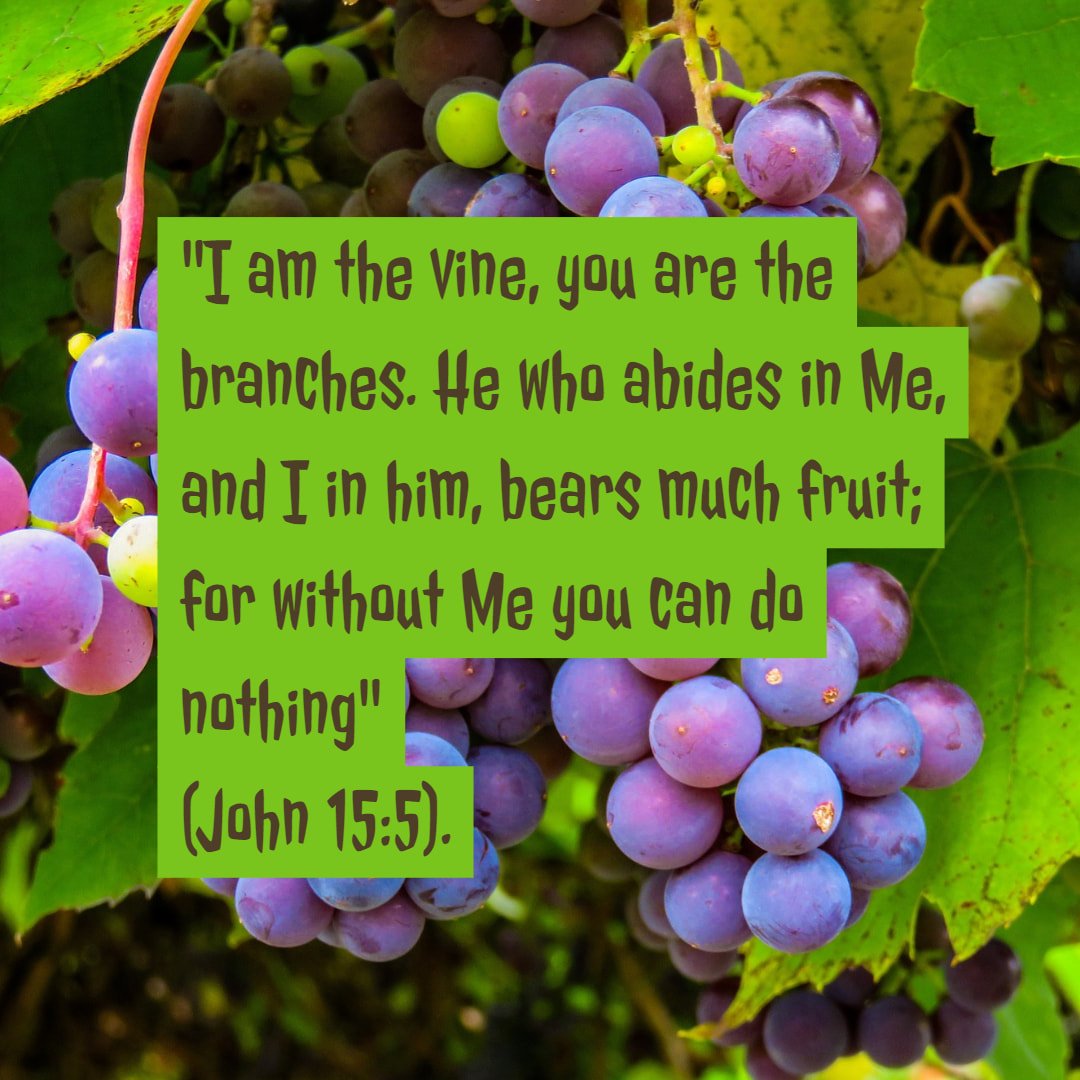
How can we cultivate fruitfulness in our own lives? One of the key principles emphasized in the Bible is the importance of abiding in Christ. Jesus describes Himself as the true vine, and believers as the branches that derive their sustenance from Him. Just as a branch cannot bear fruit unless it remains connected to the vine, we are called to stay close to Christ through prayer, study of the Word, and fellowship with other believers.
Another essential aspect of fruitfulness is the idea of sowing and reaping. The Bible teaches that we will reap what we sow, whether in terms of our actions, words, or attitudes. By sowing seeds of kindness, generosity, and faithfulness, we can expect to harvest a crop of blessings and spiritual fruitfulness in due time.
Conclusion
In conclusion, fruitfulness in the Bible is a rich and multifaceted theme that encompasses both literal and metaphorical meanings. From the symbolic significance of fruits in biblical narratives to the spiritual implications of bearing the fruits of the Spirit, the concept of fruitfulness runs deep throughout Scripture.
As we reflect on the lessons taught through the stories and teachings of the Bible, may we be inspired to cultivate lives marked by fruitfulness and abundance. Let us strive to live in a way that honors God and bears witness to the transformative power of His love and grace. Remember, just as a tree is known by its fruit, so too will our lives reflect the fruit of our faith and obedience.
Thank you for joining us on this enlightening journey through the theme of fruitfulness in the Bible. May you continue to grow and flourish in all areas of your life, bearing fruit that brings glory to God and blessings to those around you.
How Faith Produces Fruitfulness | Daily Devo Bible Study
Frequently Asked Questions
What does the Bible say about being fruitful?
In the Bible, being fruitful is often mentioned as a blessing from God. It refers to producing good results, abundance, and bearing fruit in various aspects of life, including spiritually, emotionally, and physically. This concept signifies growth, productivity, and fulfillment in one’s purpose.
How can one be fruitful according to the Bible?
Being fruitful in the Bible involves following God’s commandments, walking in righteousness, and living a life that glorifies Him. It also includes bearing the fruits of the Spirit such as love, joy, peace, patience, kindness, goodness, faithfulness, gentleness, and self-control. By staying connected to God through prayer, studying the Word, and serving others, one can cultivate a life of fruitfulness.
What are some examples of fruitfulness in the Bible?
There are several instances in the Bible where individuals or communities experienced fruitfulness as a result of their faithfulness and obedience to God. For example, in the story of Joseph, he became fruitful in Egypt and saved many lives through his leadership and wisdom. The Israelites also experienced fruitfulness when they obeyed God’s commandments and entered the Promised Land, where they prospered and multiplied.
Final Thoughts
Fruitfulness in the Bible is a recurring theme, symbolizing abundance and spiritual growth. The concept of bearing good fruit is emphasized throughout scripture, calling believers to live productive and impactful lives. By aligning our actions with God’s will, we can bear fruit that glorifies Him and blesses others. Let us strive to cultivate a life of fruitfulness, rooted in faith and love. May our lives be a reflection of God’s goodness, overflowing with the fruits of the Spirit.