


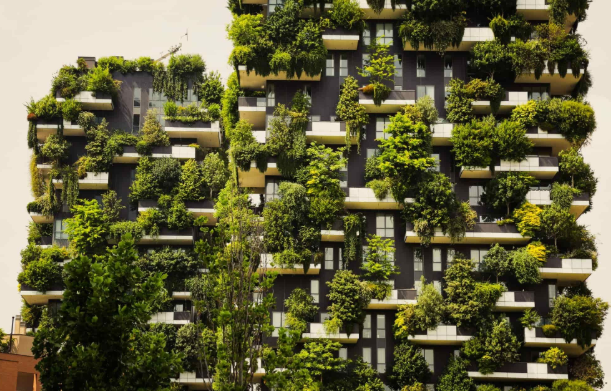
Sustainable buildings, often referred to as green buildings, are thoughtfully designed and constructed to reduce negative environmental impact while enhancing the well-being of both occupants and the surrounding community. These structures go beyond traditional design by integrating environmental responsibility into every stage, from planning to operation. Guidelines such as widely recognized sustainability frameworks offer comprehensive direction for achieving energy efficiency, responsible material use, and healthier indoor environments, all of which contribute to a building’s long-term value and relevance.
For students pursuing architecture, this field represents more than just a career path—it is an opportunity to influence how future spaces are created and experienced. As global concerns about climate change and resource depletion intensify, architects are increasingly expected to design with sustainability in mind and for this they turn to Scalable Energy Analysis. This discussion serves as an introduction to the critical role sustainable building design plays in shaping the built environment, highlighting how it benefits not only the planet but also the people who interact with these spaces every day.
What is a Sustainable Building?
A sustainable building is a structure designed, constructed, and operated with the goal of minimizing environmental harm while maximizing positive contributions to human health and community well-being. These buildings incorporate environmentally conscious practices throughout their lifecycle, ensuring that resources are used efficiently and responsibly. Various organizations around the world establish standards to guide these efforts, helping ensure consistency and accountability in sustainable design.
Certifications and Standards
Sustainability in architecture is often guided by established certification systems that provide structured frameworks for evaluating building performance. These systems address key areas such as energy use, water conservation, and indoor environmental quality. For aspiring architects, understanding these standards is essential, as they represent both a benchmark for excellence and a pathway toward creating environmentally responsible designs.
Achieving certification signals a strong commitment to sustainability and can significantly enhance a building’s appeal and market value. It demonstrates that a project meets rigorous environmental criteria and aligns with the growing demand for responsible development.
Positive Environmental Impact
Sustainable architecture plays a vital role in protecting the environment by incorporating innovative strategies that reduce energy consumption and emissions. Buildings designed with sustainability in mind are better equipped to manage heat, especially in regions with consistently warm climates. By minimizing heat absorption and improving ventilation, these structures reduce reliance on energy-intensive cooling systems, resulting in lower energy costs and decreased environmental impact.
Many sustainable buildings also integrate renewable energy sources, such as solar power, to further reduce dependence on fossil fuels. These design choices reflect a broader shift toward environmentally conscious construction, where architects and builders prioritize efficiency, conservation, and long-term sustainability. In this context, design becomes more than an aesthetic pursuit—it becomes a meaningful contribution to environmental stewardship.
Resource Efficiency
Efficient use of resources is a fundamental principle in sustainable building design. This approach emphasizes careful planning to maximize the use of available materials while minimizing waste throughout the construction process. By doing so, it not only reduces environmental impact but also promotes long-term cost savings and responsible consumption.
Innovative systems such as rainwater harvesting and water recycling are commonly integrated into sustainable buildings. These solutions allow water to be reused for non-drinking purposes, significantly reducing overall consumption. Through such practices, sustainable design ensures that resources are preserved without compromising functionality or comfort.
Health and Well-Being
Sustainable buildings are designed with a strong focus on the health and comfort of their occupants. By using non-toxic materials and incorporating efficient ventilation systems, these structures maintain high indoor air quality, helping reduce the risk of respiratory problems and allergies.
Access to natural light is another essential feature. By maximizing daylight exposure, sustainable buildings create brighter, more inviting spaces while reducing the need for artificial lighting. This not only conserves energy but also supports better mood, productivity, and overall well-being for those who occupy the space.
Key Takeaway
Designing sustainable buildings is fundamentally about protecting the environment, reducing long-term costs, and improving human health. By using energy and water efficiently, these buildings lower operational expenses while contributing to the reduction of carbon emissions. As environmental challenges continue to grow, sustainable design is no longer optional but essential in modern construction.
For future architects, embracing sustainability means stepping into a role that blends creativity with responsibility. It is an opportunity to design spaces that are not only functional and visually appealing but also aligned with the needs of the planet and its people. Through thoughtful and innovative design, sustainable architecture holds the power to shape a healthier, more resilient future for generations to come.