


Yes, after giving a quit notice to a tenant, the big question remains – will they actually pay rent? The uncertainty can be daunting for landlords, but understanding the legal process and potential outcomes is key. Let’s delve into the dynamics of landlord-tenant relationships post-quit notice, exploring strategies for navigating this common dilemma. Stay tuned as we unravel the complexities of whether a tenant will indeed pay rent after receiving a quit notice.

Will a Tenant Pay Rent After Quit Notice: Understanding the Process
Introduction
So, you’ve sent your tenant a quit notice because they haven’t been paying rent on time. But now you’re left wondering, “Will a tenant pay rent after a quit notice is served?” Let’s dive into this topic and understand the process step by step.
What is a Quit Notice?
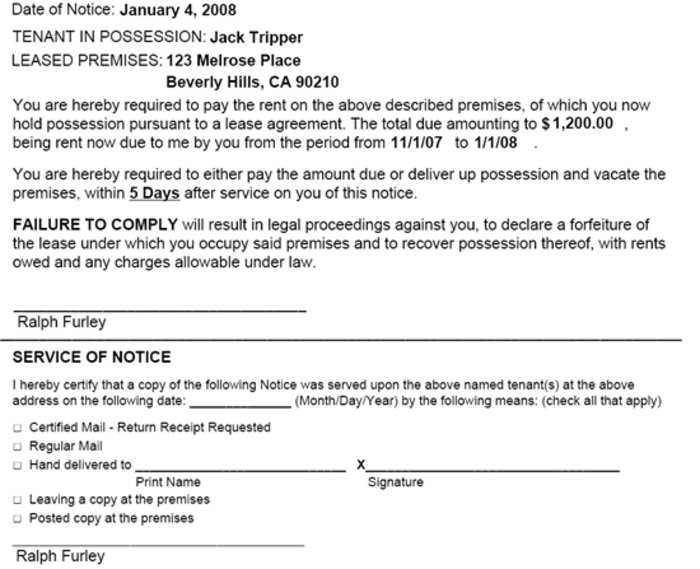
A quit notice, also known as an eviction notice, is a legal document that a landlord serves to a tenant who has violated the terms of their lease agreement, most commonly by failing to pay rent. This notice informs the tenant that they must either pay the outstanding rent or vacate the property by a specified date.
Types of Quit Notices
There are different types of quit notices depending on the reason for the eviction. The most common ones include:
– Pay or Quit Notice: Informs the tenant to pay the rent within a certain period or vacate the property.
– Cure or Quit Notice: Given when a tenant violates a non-monetary lease provision, such as having a pet when it’s not allowed.
– Unconditional Quit Notice: Requires the tenant to vacate the property without any opportunity to rectify the situation.
What Happens After a Quit Notice is Served?
Once a quit notice is served, the tenant has a specific period, usually ranging from 3 to 30 days, to either pay the rent or move out. If the tenant pays the outstanding rent within the specified timeframe, they can typically continue living in the property.
Consequences of Ignoring a Quit Notice
If the tenant fails to comply with the quit notice by either paying the rent or vacating the property, the landlord can proceed with the eviction process. This may involve filing an eviction lawsuit, also known as an unlawful detainer action, with the court.
Will a Tenant Pay Rent After Receiving a Quit Notice?
Now comes the big question: Will a tenant actually pay rent after receiving a quit notice? The answer depends on various factors, including the tenant’s financial situation, their willingness to resolve the issue, and the landlord-tenant relationship.
Factors Influencing Tenant’s Decision
– Financial Stability: If the tenant is facing financial difficulties, they may struggle to come up with the rent even after receiving a quit notice.
– Communication: Open and honest communication between the landlord and tenant can often lead to a resolution, with the tenant making arrangements to pay the rent.
– Past Behavior: If the tenant has a history of late payments or non-payment, they may be less likely to pay rent even after receiving a quit notice.
Options for Landlords
As a landlord, it’s essential to be prepared for various scenarios after serving a quit notice. Here are some options available to landlords in case the tenant does not pay rent after receiving a quit notice:
1. Negotiation
Consider opening a dialogue with the tenant to understand their situation better. Sometimes, a payment plan or other arrangements can be made to resolve the issue amicably.
2. Legal Action
If the tenant fails to pay rent or move out after the specified period in the quit notice, landlords may need to pursue legal action to evict the tenant. This involves filing a lawsuit in court and obtaining a judgment for eviction.
3. Mediation
Mediation can be a less adversarial way to resolve disputes between landlords and tenants. A neutral third party can help facilitate a compromise that is acceptable to both parties.
In conclusion, serving a quit notice to a tenant who is not paying rent is a serious step that landlords may need to take to protect their rights. While some tenants may comply and pay the rent after receiving a quit notice, others may not, leading to a more complex legal process. Effective communication, understanding the legal procedures, and considering all available options are crucial for landlords facing such situations. Remember, every situation is unique, and seeking legal advice may be necessary to navigate the complexities of landlord-tenant relationships.
Three Rights you Have as a Tenant Facing Eviction #realestate #realtor #facts #tips #learn
Frequently Asked Questions
What happens if a tenant does not pay rent after receiving a quit notice?
When a tenant fails to pay rent after receiving a quit notice, the landlord may initiate eviction proceedings. This typically involves filing a court case to legally remove the tenant from the property. It’s important for landlords to follow the specific legal procedures for eviction in their jurisdiction to ensure a smooth process.
Can a tenant be evicted for non-payment of rent despite receiving a quit notice?
Yes, a tenant can be evicted for non-payment of rent even after receiving a quit notice. The purpose of a quit notice is to inform the tenant of the landlord’s intent to end the tenancy if rent is not paid. If the tenant still does not pay, the landlord can proceed with the eviction process in accordance with local laws.
Is there a grace period for tenants to pay rent after receiving a quit notice?
Whether there is a grace period for tenants to pay rent after receiving a quit notice depends on the terms of the lease agreement and local rental laws. Landlords should clearly outline any grace period in the lease agreement. In the absence of specific terms, tenants are typically expected to pay rent promptly as per the agreement.
Final Thoughts
In conclusion, a tenant’s response to a quit notice can vary. While some tenants may pay rent promptly after receiving a quit notice, others may choose to ignore it. It ultimately depends on the individual’s circumstances and willingness to comply with the terms of the notice. However, issuing a quit notice can often prompt action from the tenant, either leading to payment of rent or vacating the property. So, will a tenant pay rent after a quit notice? It’s a question that remains uncertain until the deadline passes.